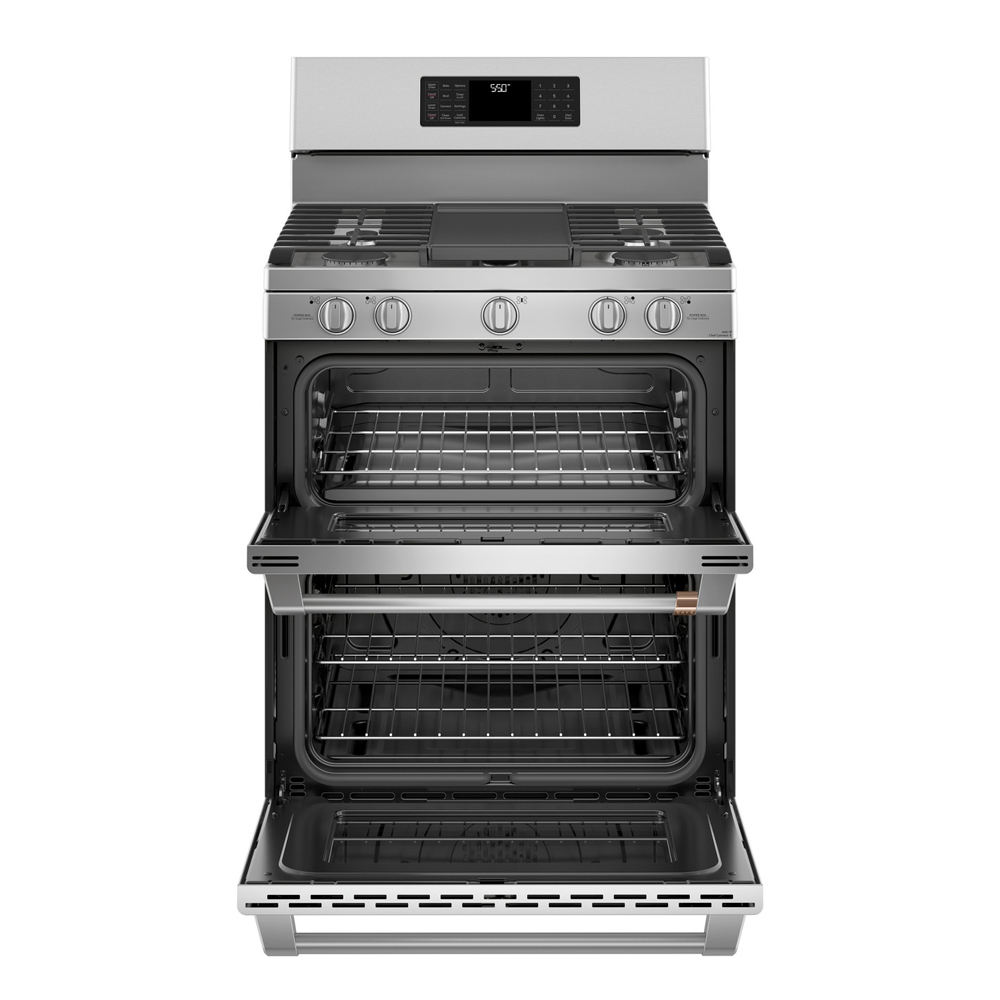
De fleste ovnkøbsfejl sker, før det nye apparat pakkes ud. Tre tal forårsager fejlene: kabinetsbredde, kredsløbskapacitet og indvendig volumen. Hvis du udskifter en 30-tommer fritstående række med en indbygget elektrisk vægovn, bestemmer disse tre mål hver anden beslutning.
Den bedste elektriske vægovn til et moderne køkken er den, der matcher din madlavningsvolumen, passer til den planlagte skabsudskæring og fungerer med den elektriske forsyning, der allerede er på plads. Start med at vælge mellem en enkelt og en dobbelt ovn, vælg en kapacitet mellem cirka 60 og 130 liter, bekræft, at konvektions- og dampfunktioner passer til dine opskrifter, og bekræft, at et dedikeret 220–240 V-kredsløb er tilgængeligt. Arbejd gennem disse punkter i rækkefølge, og den rigtige model bliver indlysende.
Hvorfor en elektrisk vægovn passer bedst til et moderne køkken
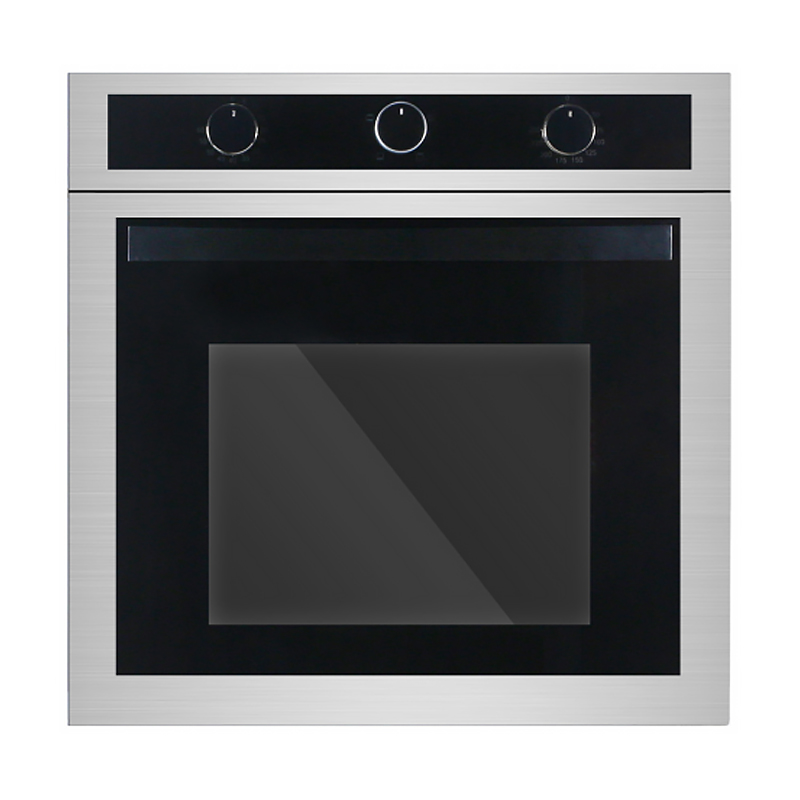
En elektrisk vægovn er det bedste valg til et moderne køkken, fordi den producerer mere jævn varme end gas, frigør gulvplads og kan monteres i bordhøjde, så du tjekker en steg uden at bøje dig ned. Uden kogeplader nedenunder sidder hulrummet inde i skabet, hvilket giver køkkenet et rent, indbygget udseende, som fritstående komfurer ikke kan matche.
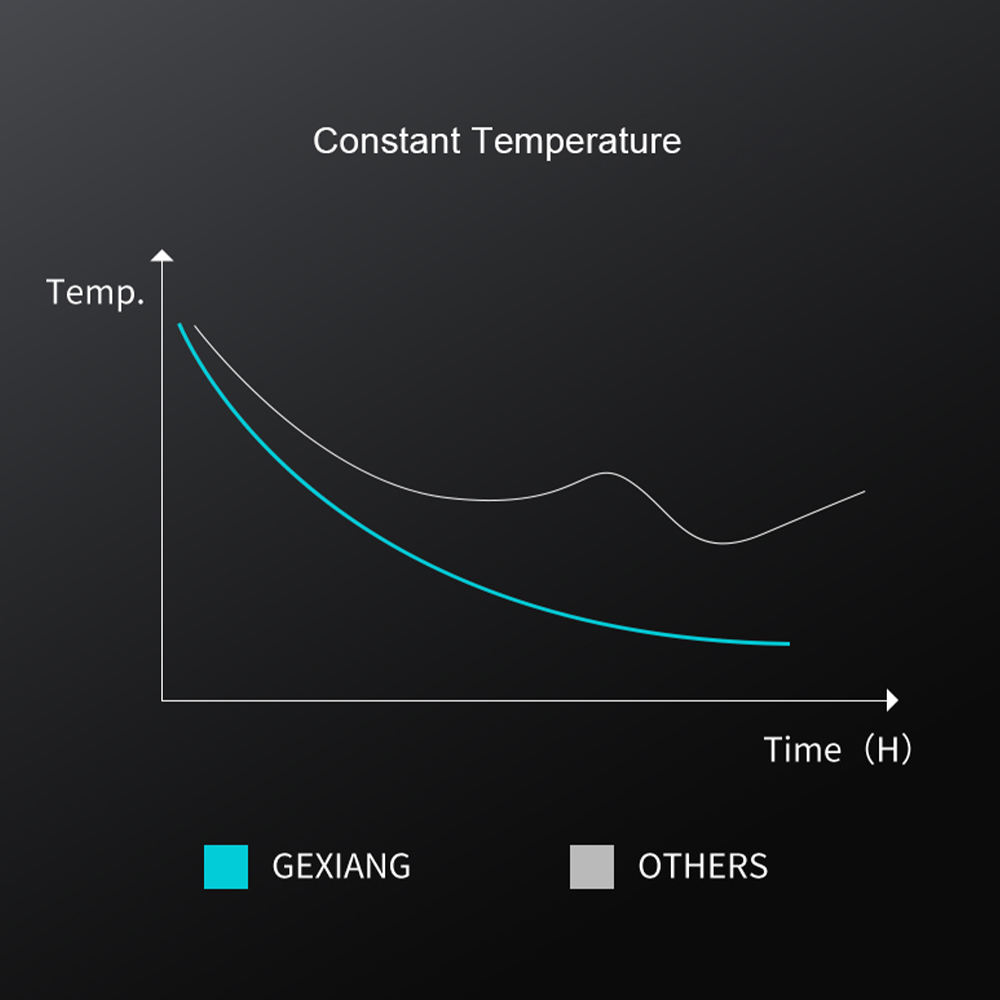
Elektriske modeller opvarmer med forseglede top- og bundelementer, og de fleste mellemklasseenheder tilføjer en konvektionsblæser, der holder temperaturen stabil på tværs af alle stativer. Denne stabilitet giver jævn bruning, pålidelige brødhævninger og gentagelige bageresultater på flere stativer; det er også grunden til, at mange hjemmebagere foretrækker elektrisk efter at have testet begge brændstoftyper.
Moderne kontrolflader forstærker fordelen. Store digitale skærme erstatter fysiske knapper; for eksempel en 8,8 tommer farveskærm 80L elektrisk vægovn gør temperatur, timer og tilberedningstilstand synlig med et øjeblik, samtidig med at den daglige betjening er enkel.
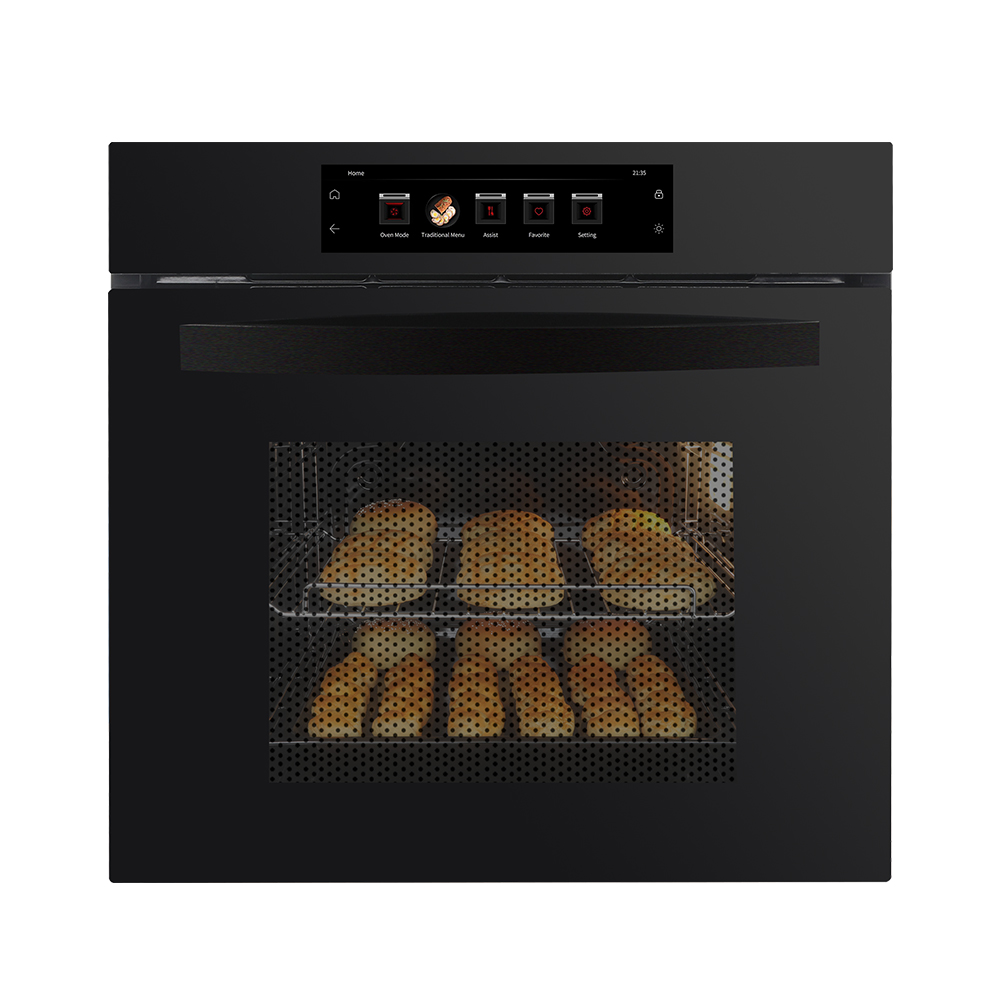 Konvektion elektriske ovnproducenter, farveskærmsovnfabrik ShengZhou GeXiang Electric er producenter af konvektions elektriske ovne i Kina og engros farveskærm Ovnfabrik, vi leverer OEM & ODM ... Se produkt →
 | Hensyn | El-vægovn | Gas væg ovn |
|---|---|---|
| Varmelevering | Forseglede elementer; tør, stabil varme | Åben ild; mere fugt i hulrummet |
| Bagekonsistens | Selv på tværs af stativer med konvektion | Hot spots er mere almindelige |
| Installation | Dedikeret 220–240 V kredsløb | Gasledningstilslutning og korrekt udluftning |
| Temperaturkontrol | Digital præcision på gradniveau | Groft manuel justering |
| Typiske driftsomkostninger | Bundet til elpriser | Bundet til gaspriser |
Beslutning 1: Enkelt- eller dobbeltvægsovn
En enkelt elektrisk vægovn er den rigtige standard for de fleste husstande, og en dobbeltovn tjener kun sine højere omkostninger og højere skabskrav, hvis du regelmæssigt tilbereder flere retter på samme tid. En enkelt 60-80 L-enhed håndterer en steg, grøntsager og en dessert i rækkefølge uden problemer.
Den dobbelte ovn betaler sig under ferier eller batchbagning: en kalkun i det nederste hulrum, mens rundstykker og gryderetter bager ovenover. Hvis det scenarie sker månedligt, er det andet hulrum et ægte produktivitetsværktøj. Sker det en eller to gange om året, er de ekstra penge bedre brugt på et stærkere konvektionsanlæg eller en dampfunktion.
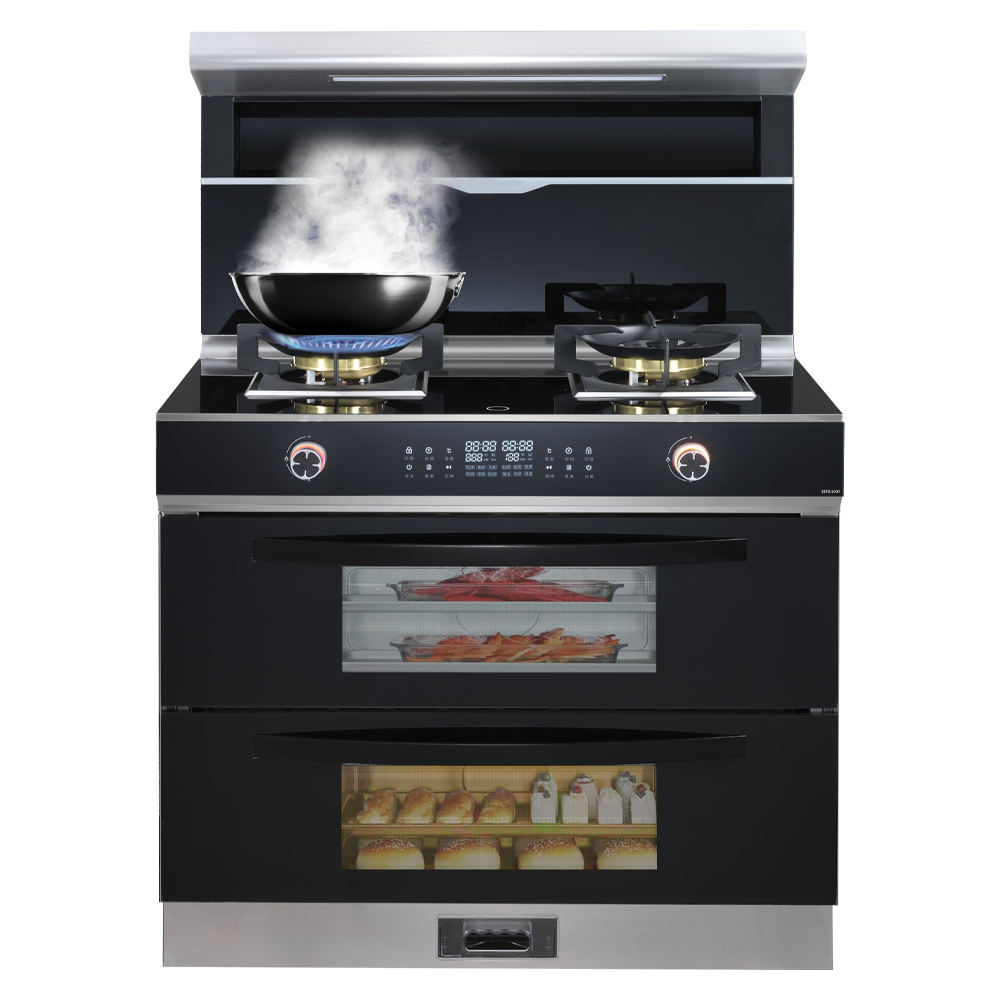
Nogle modeller tilføjer et kompakt sekundært hulrum i stedet for en hel anden ovn, men klassiske enkelt- og dobbeltkonfigurationer dækker langt de fleste køkkeninstallationer.
| Faktor | Enkelt ovn | Dobbelt ovn |
|---|---|---|
| Typisk kapacitet | 60-90 L | 100–140 L kombineret |
| Bedste husstandsstørrelse | 1-4 personer | Store familier, hyppige entertainere |
| Skabshøjde påkrævet | Cirka 70-80 cm | Cirka 120-130 cm |
| Købspris | Lavere | Typisk 40-80 % højere |
| Energi pr. brug | Lavere; one cavity heated | Højere, hvis begge hulrum bruges |
Beslutning to: Vælg kapacitet efter madlavningsbelastning, ikke køkkenstørrelse
Tilpas kapaciteten til din faktiske madlavningsmængde: 60 L passer til stege om aftenen, 70-80 L tilføjer plads til større pladepander, og 100 L eller mere er til seriøse bagere og hyppig underholdning. Mål din største almindelige ret, uanset om det er en hel kalkun eller en professionel halvpladepande, før du vælger, fordi et lavt hulrum måske ikke passer til det.
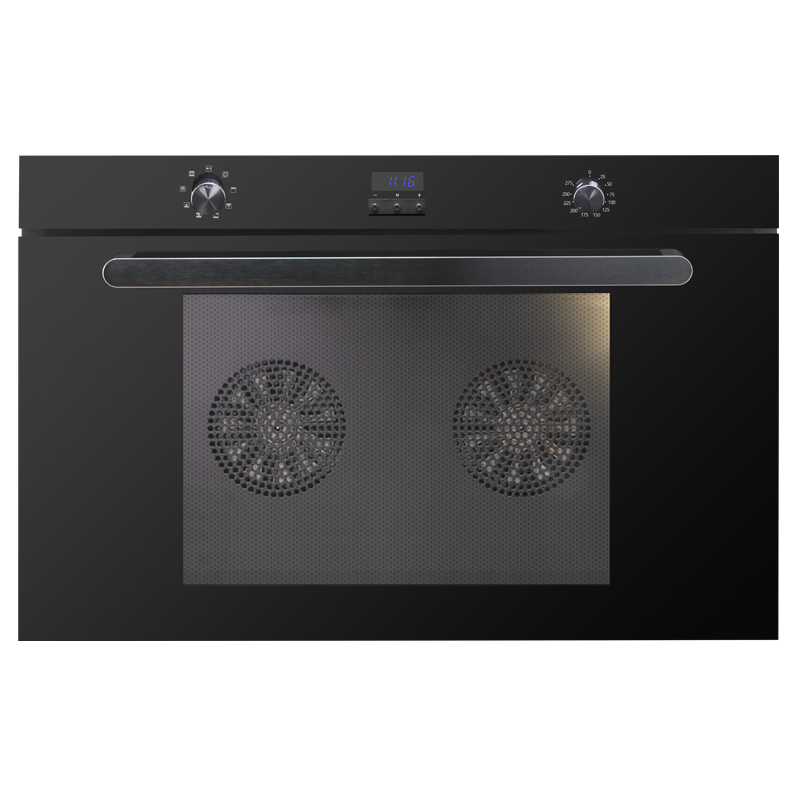
Til husholdninger med tunge bagetider eller store forsamlinger holder en 130L elektrisk vægovn med stor kapacitet med dobbelte blæsere temperaturen ensartet fra den øverste rille til den nederste rille, så store partier behøver ikke rotation midt i tilberedningen.
Beslutning tre: Evaluer konvektion, damp og kontroller
Konvektion er den mest værdifulde egenskab, fordi den cirkulerer varm luft, reducerer tilberedningstiden med cirka en femtedel og giver en mere ensartet bruning. Se efter en bagblæser med et varmeelement viklet rundt om det, ikke en kun ventilatortilstand tilføjet til et konventionelt design.
Steam assist er den næste nyttige opgradering til et moderne køkken. Indsprøjtning af fugt under den første fase af bagningen giver sprødt brød, baguettes og croissanter den ovnforår, de har brug for, og det holder stegene saftigere ved moderate temperaturer. For husstande, der bager brød regelmæssigt, en indbygget dampbageovn tilbyder den fugtkontrol, som et standard tørhulrum ikke kan give.
 Engros producent af indbygget dampbageovn, fabrik - ShengZhou GeXiang E ShengZhou GeXiang Electric er producenter af indbygget dampbageovn i Kina og OEM & ODM fabrik, den indbyggede dampbageovn er en... Se produkt →
 Andre funktioner, der er værd at vurdere før køb:
- Stegekraft: Et separat øvre element vurderet over 2000 W forkorter bruningstiden.
- Rack positioner: Mindst seks støtter giver fleksibilitet til kager, brød og måltider med flere bakker.
- Teleskopskinner: De gør kontrol og fjernelse af tunge stege meget sikrere.
- Temperatursonde: En kablet sonde fjerner gætværk for store udskæringer af kød.
- Digital kontrol: Bruges dagligt, så visningslæsbarhed betyder mere end en telefonapp.
Beslutning fire: Planlæg rengøring og indvendig vedligeholdelse
Selvrensning bør være en prioritet, medmindre dit budget er stramt, fordi en pyrolytisk cyklus opvarmer hulrummet til omkring 480°C og omdanner indbagt fedt til aske, der tørres af med en fugtig klud. Rengøring med damp eller hydrolyse er skånsommere og hurtigere, men det løsner kun frisk spild; tunge forkullede aflejringer skal stadig skrubbes manuelt.
Aftageligt dørglas og katalytiske emaljebeklædninger reducerer behovet for kemiske sprays og lange iblødsætningstider. En soft-close låge med aftageligt glas gør også indvendig rengøring mærkbart nemmere, og et køligt ydre hjælper, når små børn bevæger sig rundt i køkkenet, mens du laver mad.
Beslutning fem: Bekræft installation, ledningsføring og frigang
Kontroller strømforsyningen, før du vælger en model, fordi en typisk elektrisk vægovn har brug for et dedikeret 220-240 V-kredsløb, der er normeret til 30 eller 40 A. Tilføjelse af et kredsløb er den mest almindelige skjulte omkostning ved et vægovnsprojekt, så bed en elektriker om at bekræfte, hvad der findes på skabets placering.
Kabinettets udskæringsdimensioner kommer direkte fra ovnspecifikationsarket. Standardbredder er 24, 27 eller 30 tommer, og et kabinet med dobbelt enhed kan kræve op til 120-130 cm total højde. Hold mindst 5 cm sideafstand og 2,5 cm bagtil, så blæseren kan flytte luft over elektronikken uden overophedning.
Før du måler, skal du læse vores detaljeret købsvejledning til elektrisk vægovn , som dækker over trimsæt, almindelige skabsfejl og de mål, der forhindrer en mislykket installation.
| Parameter | Typisk krav |
|---|---|
| Spænding | 220–240 V dedikeret kredsløb |
| Nuværende vurdering | 30 A eller 40 A |
| Kabinets bredde | 24, 27 eller 30 tommer |
| Side frigang | Mindst 5 cm |
| Frigang bagtil | Mindst 2,5 cm |
| Undgå | Forlængerledninger, delte kredsløb, uventilerede kabinetter |
Sammenlign energieffektivitet og driftsomkostninger
Vægovne spilder mindre varme end fritstående komfurer, fordi de er bedre isolerede og indesluttet i skabe, og konvektion forkorter tilberedningstiden. Ved en gennemsnitlig elpris i USA på omkring 0,15 USD pr. kWh, er forskellen på timeomkostninger mellem madlavningstilstande lille pr. måltid, men tæller over hundredvis af bagesessioner om året.
| Madlavningstilstand | Typisk strømforbrug | Energi til 1 times bagning | Anslåede omkostninger |
|---|---|---|---|
| Konventionelle elektriske elementer | 2400 W | 2,4 kWh | 0,36 USD |
| Konvektionstilstand | 2000 W | 2,0 kWh | 0,30 USD |
| Dampstøttet bagning | 2200 W | 2,1 kWh | 0,32 USD |
Figurerne er illustrative; Det faktiske forbrug afhænger af isoleringskvalitet, forvarmningsvaner og ventilatoreffektivitet. Foretrækker modeller med dokumenterede energimærker og en stærk isoleringsgrad, fordi at holde varmen inde i hulrummet også holder køkkenet behageligt.
Sikkerhedsfunktioner, der betyder noget for moderne familier
Cool-touch-døre, børnesikringer og automatisk slukning er ikke-omsættelige sikkerhedsfunktioner til et familiekøkken. Elektriske vægovne har ingen åben ild og ingen risiko for gasudslip, hvilket er en fordel i forhold til gasmodeller, men de indvendige overflader når stadig meget høje temperaturer.
Tre-lags glas holder det ydre under ca. 45°C under en 220°C bagning. En automatisk slukning efter 12 timers uovervåget drift beskytter mod glemte forvarmninger, og en indbygget temperatursonde forhindrer, at store stege bliver overstegt.
- Cool-touch dør med mindst to glaslag.
- Børnelås, der deaktiverer kontrolpanelet og døren.
- Automatisk termisk afbrydelse til uovervåget brug.
- Blødlukkende dør og aftageligt inderglas for sikrere håndtering.
Budget, langsigtet værdi og samarbejde med en producent
En højere købspris er berettiget, når den køber en stærkere konvektionsventilator, bedre isolering eller et mere pålideligt styrekort. For forbrugere betyder reservedelstilgængelighed og servicesupport mest over en 10- til 15-årig produktlevetid.
For importører, distributører og køkkenmærker er den egentlige langsigtede beslutning producenten bag ovnen. En producent med sin egen fabrik og en OEM/ODM-linje kan tilpasse panelfinish, styre software, kapacitet og emballage, mens kvaliteten holdes ensartet på tværs af produktionsbatcher. Derfor vurderer mange købere det bredere produktsortiment til elektriske ovne før underskrivelse af leveringsaftaler.
Anmod om elektriske specifikationer, isoleringsdiagrammer og certificeringsdokumenter såsom CE eller UL for de præcise modeller, du planlægger at bestille. Bekræft først garantibetingelser, reservedels tilgængelighed og leveringstider. En vægovn, der er konstrueret godt og understøttet i et årti, giver langt bedre samlet værdi end en lidt billigere enhed uden eftersalgsstruktur.
Ofte stillede spørgsmål
Hvilken størrelse elektrisk vægovn skal jeg vælge?
Vælg en 60–75 L enhed til en til tre personer, en 80–100 L ovn til fire til seks personer og en 120 L eller større model, hvis du bager i partier eller laver mad til store forsamlinger.
Kan jeg installere en elektrisk vægovn i ethvert skab?
Nej. Udskæringens bredde, højde og dybde skal passe til ovnens dimensioner, skabet skal være varmebestandigt, og du har brug for et dedikeret 220–240 V kredsløb plus ventilationsafstand. Standardbredder er 24, 27 eller 30 tommer.
Er en varmluftsventilator nødvendig i en elektrisk vægovn?
Til bagning, ja. Konvektion reducerer tilberedningstiden med omkring 20 procent og giver mere jævn bruning på tværs af flere stativer, hvilket gør resultaterne mere forudsigelige selv for en enkelt bakke.
Forvarmer elektriske vægovne hurtigere end andre ovntyper?
Generelt ja. En velisoleret konvektionsovn når 180°C på omkring 8 til 12 minutter, mens ældre fritstående enheder kan tage 15 minutter eller længere. Den nøjagtige tid afhænger af watt, hulrumsvolumen og isoleringskvalitet.
Hvor længe skal en elektrisk vægovn holde?
Med grundlæggende vedligeholdelse kan du forvente 10 til 15 års pålidelig service. Periodisk udskiftning af dørtætninger og kontrol af varmeelementer forlænger levetiden betragteligt.
At vælge den bedste elektriske vægovn er en sekvens af kontrollerbare beslutninger: Mål skabet, bekræft kredsløbet, match kapaciteten til din madlavning, og vælg et rengøringssystem, du rent faktisk vil bruge. Udfør disse fire trin først, og filtrer derefter de resterende kandidater efter konvektionsydelse, sikkerhedsfunktioner og producentsupport. Købere, der følger den ordre, fortryder sjældent resultatet.